Maximize Small Spaces: Clever Kitchen Renovation Tips Jun 08, 2026
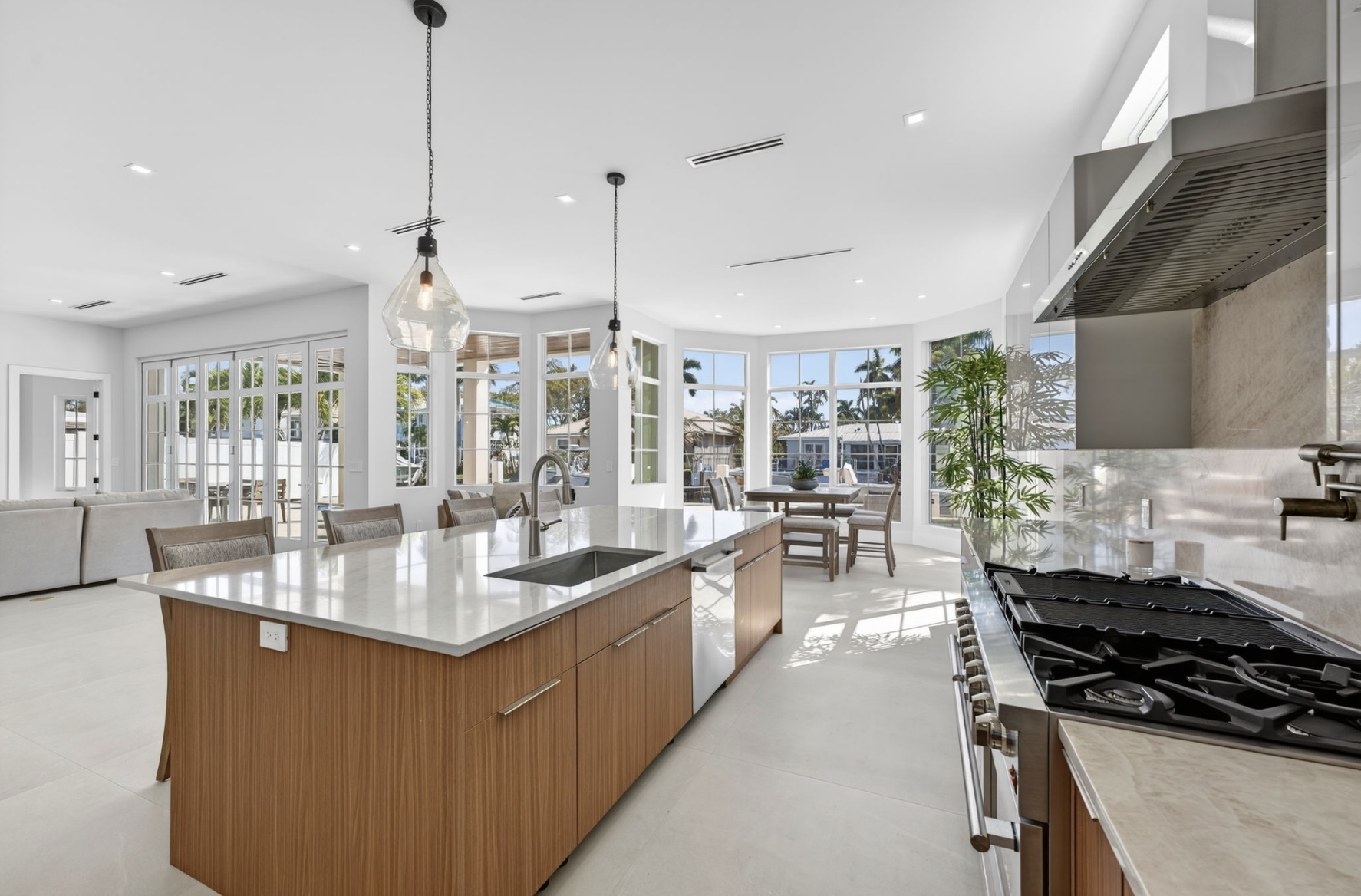
Start by assessing your kitchen layout. A well-planned layout is crucial to maximizing small spaces. Kitchens are typically categorized by four standard layouts: L-shaped, U-shaped, galley, and one-wall. Consider what layout naturally suits your space and lifestyle. If possible, an open-plan design can seamlessly connect your kitchen with adjacent living spaces, creating an illusion of expanded space and improving functionality.
Storage is often the primary challenge in small kitchens. To combat this, embrace vertical storage solutions. Utilize your walls to hang pots, pans, utensils, and other kitchen essentials. Open shelving is a fantastic option not only for visual appeal but also for easy access to everyday items. Additionally, consider installing pull-out shelves, which offer depth and practicality without taking up floor space.
Choose multipurpose furniture and appliances. Install a foldable table or extendable countertops that can be used for dining, prepping, or as an additional workspace. When selecting appliances, opt for compact, energy-efficient options that don’t sacrifice functionality. Whether it’s a refrigerator with freezer drawers or a microwave with convection capabilities, multifunctional appliances can reduce clutter and enhance your kitchen's efficiency.
Color and lighting can profoundly influence the perception of space in your kitchen. Light colors like white, cream, or pastel shades reflect light, helping the room appear larger and more open. Complement these colors with ample lighting. Under-cabinet lighting, pendant lights, or recessed lighting can add depth and make your kitchen more inviting. Natural light should not be underestimated; if possible, incorporate larger windows or glass doors that open up to a garden or patio.
Incorporate a sense of personalization through minimalist design elements. Decorative backsplashes, statement tiles, or a dash of vibrant color on one wall can inject personality without overwhelming the space. The key is to strike a balance between decor and functionality, ensuring that each element serves a purpose and doesn't contribute to clutter.
Another pro tip is to keep countertops clear. It’s easy for small kitchens to become overcrowded, making them feel cramped and chaotic. Store appliances and items that aren't used daily out of sight to maintain a clean, streamlined appearance. This not only enhances the aesthetic value but also boosts the kitchen’s usability.
Finally, maintaining a small kitchen requires thoughtful decluttering. Regularly assess your kitchen inventory. Donate or dispose of items you rarely use and keep only those you truly need. This practice helps maintain a spacious feeling and ensures your kitchen remains a place of inspiration rather than frustration.
In conclusion, transforming a small kitchen into a space that is both practical and beautiful is achievable with strategic planning and a touch of creativity. At Kare Kitchens, we are dedicated to helping you turn your vision into reality, ensuring your kitchen feels like the heart of your home, no matter its size. By following these renovation tips, you can maximize your kitchen space and create an environment that’s functional, stylish, and uniquely yours.
/filters:no_upscale()/filters:format(webp)/media/a8692d44-3798-45bf-9bff-0750546e09bc.jpeg)